Shadwell rubbish removal guide for Cable Street and The Highway

If you are dealing with unwanted junk, renovation debris, or a flat that has quietly filled up with things you no longer need, this Shadwell rubbish removal guide for Cable Street and The Highway is for you. The area has its own rhythm: narrow streets, busy daytime traffic, parking pressure, and buildings that can be awkward to access with bulky items. That means clearing waste here is rarely just a matter of "lift it and leave it". You need a plan, a practical method, and a bit of local common sense.
In this guide, you will find a clear explanation of how rubbish removal works in Shadwell, when it makes sense to choose a professional clearance service, what to prepare before collection, and the mistakes that tend to cause delays. We will also cover safety, compliance, and a few real-world considerations that make life easier on Cable Street and The Highway. Truth be told, the difference between a smooth clearance and a stressful one is often just good preparation.
Why Shadwell rubbish removal guide for Cable Street and The Highway Matters
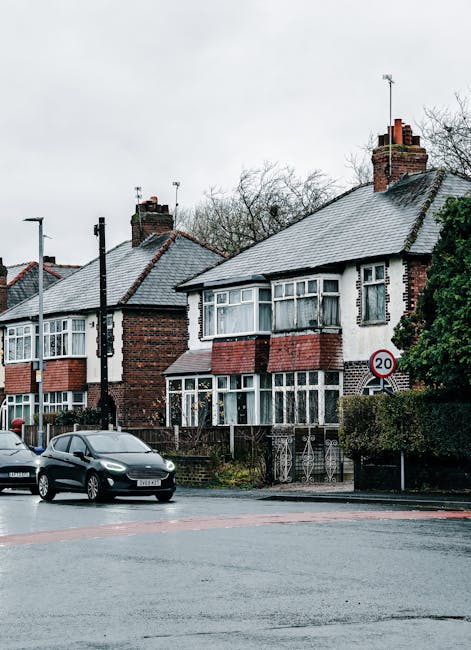
Shadwell is one of those London neighbourhoods where waste clearance can become complicated surprisingly fast. Between terraced properties, flats, commercial premises, and homes that sit close to busy road routes, access is often the biggest issue. Cable Street and The Highway in particular can make the simple jobs feel a little less simple. Where do you park? How far is the carry distance? Is there lift access or a tight stairwell? Can waste be moved without blocking neighbours or traffic? These questions matter.
Rubbish removal is about more than getting rid of clutter. Done properly, it protects building access, keeps shared spaces tidy, and reduces the risk of complaints from neighbours or managing agents. It also helps when you are dealing with mixed waste, awkward furniture, or a back room that has become a storage zone for everything you meant to deal with last month. We have all seen that sort of room. It happens.
For local homes and businesses, the stakes are practical. Delayed clearance can slow a refurbishment, hold up a tenancy changeover, or leave a shop floor crowded with cardboard, packaging, or broken fixtures. In busy parts of east London, a well-organised collection can save time and stop small jobs turning into an all-day headache.
If the load includes furniture, appliances, or mixed household items, it is worth looking at the specific service page for furniture clearance, fridge and appliance removal, or broader waste removal support. Matching the service to the material is a small step, but it makes a real difference.
How Shadwell rubbish removal guide for Cable Street and The Highway Works
The process is usually straightforward, but it works best when you treat it as a sequence rather than a last-minute scramble. First, identify what needs to go. Then sort the waste into practical groups. After that, decide whether you need a general clearance, a specialist collection, or a full property clearance. A decent provider should be able to handle the lifting, loading, and responsible disposal once access has been agreed.
In a local setting, the key variables are usually access and waste type. A third-floor flat with no lift needs a different approach from a ground-floor office with rear entry. A pile of mixed builders' rubble is not treated the same way as old sofas or bagged household waste. And to be fair, this is where a lot of people lose time: they book a collection before properly thinking through what the team will actually meet on site.
The usual steps look something like this:
- Take a quick inventory of the items, bags, and bulky waste.
- Check for anything hazardous, electrical, or especially heavy.
- Note access details such as stairs, parking, loading point, and lift availability.
- Request a quote based on the real volume and type of waste.
- Prepare the items so the crew can remove them efficiently.
- Confirm any special handling requirements before the collection day.
That last point is easy to skip, but it matters. For example, if you need help with a loft full of old boxes and broken furniture, you may want to review loft clearance or house clearance depending on the scale. Likewise, a shop or shared workspace may be better matched to office clearance or business waste removal.
One more practical note: if you are not sure whether a skip, a man-and-van clearance, or a more specialised service is the better fit, it helps to compare your options before booking. The article later in this guide breaks that down without the fluff.
Key Benefits and Practical Advantages
When rubbish removal is handled well, the benefits are bigger than a clean room or an empty hallway. You get time back, less physical strain, and fewer chances of waste sitting around for weeks. In a place like Shadwell, where many properties are close together and access can be tight, that matters even more than usual.
Practical advantages include:
- Less disruption: a planned collection is quicker than repeated trips to disposal points.
- Safer moving conditions: clear routes reduce trip hazards in stairwells, corridors, and shared entrances.
- Better space use: reclaimed floor space can make a flat, office, or garage useful again.
- More suitable handling: different waste streams can be separated more appropriately.
- Cleaner end result: good clearance usually leaves the area ready for the next job, whether that is decorating, letting, or reopening a room.
There is also a quiet confidence that comes with getting it right. You know the waste will be dealt with in one go, rather than hanging over you like a half-finished chore. That sort of relief is real. Small, but real.
For people weighing up cost against convenience, it may also be worth reviewing pricing and quotes before deciding. Not every job needs a large-scale solution, and not every collection needs to be overcomplicated.
Who This Is For and When It Makes Sense
This guide is useful for a wide mix of people. If you are a tenant clearing out before moving, a landlord preparing for new occupants, a homeowner dealing with accumulated clutter, or a business owner trying to free up back-of-house space, the same core rules apply: know what you have, understand access, and choose the right disposal method.
It is especially relevant if you are:
- moving out of a flat and need fast, reliable clearance
- clearing a home after years of storage and odd bits in every corner
- renovating and dealing with plasterboard, timber offcuts, packaging, or old fixtures
- disposing of office desks, chairs, filing cabinets, or confidential paperwork
- sorting garden waste after a proper tidy-up
- removing one large item that is too awkward for standard waste bins
Some jobs are small but urgent. A broken sofa in the front room. A fridge that has stopped working and is taking up half the kitchen. A garage that has become a storage black hole. In those cases, the most sensible route may be a service designed for a specific item or space, such as mattress and sofa disposal, garage clearance, or home clearance.
And if you are dealing with a larger domestic clear-out, flat clearance or house clearance may be the cleaner fit. The best choice is the one that matches the scale of the job, not the one that sounds vaguely convenient in the moment.
Step-by-Step Guidance
Here is the practical version. No theatrics. Just the sequence that tends to save the most time and hassle.
- Walk the space first. Look at every room, hallway, storage spot, and outside area. Do not trust memory alone. It lies a bit.
- Separate waste by type. Keep furniture, mixed rubbish, electrical items, and hazardous items apart where possible.
- Measure the access. Check doorway widths, stair turns, lift size, and any obstacles like railings or low ceilings.
- Decide what must be handled carefully. Think about glass, sharp edges, liquids, batteries, and anything that could break or leak.
- Get a proper quote. Give an honest description of volume and access. A vague estimate usually becomes a vague outcome.
- Prepare the route. Move loose items, protect floors if needed, and make sure the path to the exit is clear.
- Confirm timing. Try to pick a slot that suits traffic patterns and building access. A quiet morning can make life easier.
- After collection, inspect the area. Check for missed pieces, dust, or small hazards, especially around corners and under shelves.
If the task involves building debris, old bathroom fittings, or renovation offcuts, it may be more appropriate to review builders waste clearance. That sort of waste is heavier, messier, and often more awkward than it first looks.
For a home or office with confidential paperwork mixed into the mess, confidential shredding can help keep sensitive documents out of the wrong hands. Simple idea, useful outcome.
Expert Tips for Better Results
The biggest improvement usually comes from better preparation, not from throwing more effort at the day itself. A few small habits go a long way.
- Take photos before booking. A few clear images often help with quoting and reduce misunderstandings.
- Keep the access route clear. Even a narrow path through a flat can save several minutes per load, which adds up quickly.
- Separate items that may need specialist handling. Appliances, mattresses, and damaged electrical goods are better flagged early.
- Bundle loose items sensibly. Bag small waste, tape sharp edges, and stack lightweight items where safe.
- Be realistic about volume. An overflowing corner and a "small amount of rubbish" are not always the same thing.
Here is a small local truth: if you are clearing a property near a busier stretch of road, timing matters as much as the load itself. A collection that lands at the wrong moment can be awkward for everyone involved. A slightly earlier start, or a quieter period in the day, can change the whole feel of the job.
If recycling is part of your priority, take a look at recycling and sustainability. It is a useful reminder that not all waste should be treated the same way, even when the pile looks like one big headache from the doorway.
Common Mistakes to Avoid
Most problems with rubbish removal are not dramatic. They are small planning errors that snowball. Fortunately, they are easy to avoid once you know what to look for.
- Underestimating the volume. A few extra bags can change the whole load.
- Forgetting access details. No lift, awkward stairs, and poor parking all affect the job.
- Mixing prohibited items into general waste. Hazardous items need separate handling.
- Leaving loose items unbagged. Small debris takes longer to manage and can create mess on the way out.
- Booking the wrong type of service. A domestic clearance is not always the right answer for commercial waste, and vice versa.
- Waiting until the last minute. This is a classic. Then everything becomes more expensive in time, stress, and patience.
There is also a common assumption that one service fits every situation. It does not. For example, a cluttered spare room may call for a loft clearance, while a business storage area might be better managed through office clearance or business waste removal. Matching the service to the job saves a surprising amount of grief.
Tools, Resources and Recommendations
You do not need a van full of gear to organise a good clearance. A few simple tools and habits are enough.
- Phone camera: useful for documenting the load and sharing photos for a quote.
- Marker pen: handy for labelling bags, boxes, or items that should stay separate.
- Strong sacks and tape: helpful for small waste, broken bits, or mixed light rubbish.
- Gloves: especially useful for sharp edges, dusty spaces, or old storage areas.
- Measuring tape: ideal if access seems tight or furniture looks awkward to move.
- Simple inventory list: stops you forgetting bulky pieces tucked behind other items.
For bigger or more specialised jobs, the most practical resource is usually the right service page. If you need a single bulky item gone, the furniture disposal page may be the best fit. If you are cleaning out a shed or outside storage area, garden clearance may be more relevant. If you are clearing a property from top to bottom, house clearance is often the more complete option.
For people who prefer to plan ahead, book online can be a convenient next step once the waste has been assessed. And if you want to understand the business behind the service a bit better, about us is worth a look too.
Law, Compliance, Standards, or Best Practice
Rubbish removal in the UK is not just a practical task; it also comes with responsibilities. You do not need to become a compliance specialist, but you should understand the basics. In simple terms, waste should be handled, transported, and disposed of responsibly. If you are arranging removal for a property or business, it is sensible to use a provider that follows proper handling practices and can explain how waste is managed.
Where relevant, waste should be separated sensibly, with hazardous items kept out of general rubbish. Electricals, fridges, mattresses, chemicals, and sharp materials may need different treatment. Best practice also includes safe loading, reasonable care for shared spaces, and respect for neighbours and building rules. That last one sounds obvious, but it gets forgotten quickly on a busy day.
If health and safety is a concern, review the provider's health and safety policy and insurance and safety information before booking. Those pages help show how serious the service is about protecting people, property, and access routes.
For any job involving potentially harmful materials, use caution. A leaking container, damaged battery, or unknown chemical is not something to casually throw into a general load. If in doubt, flag it clearly and get proper guidance. That is the safer path, always.
There are also practical customer expectations around quotes, payment, and job terms. Reading payment and security and terms and conditions can help you avoid confusion later. No one enjoys discovering the details after the van has already arrived.
Options, Methods, or Comparison Table
Different jobs call for different methods. The trick is choosing the option that suits the property, the waste type, and the access conditions.
| Method | Best for | Strengths | Watch-outs |
|---|---|---|---|
| General waste removal | Mixed household or light commercial rubbish | Flexible, simple, fast | May not suit bulky or specialist items |
| House or flat clearance | Whole-room or whole-property clear-outs | Covers a lot in one visit | Needs accurate access and volume details |
| Furniture disposal | Sofas, chairs, tables, wardrobes | Good for bulky items | Very large pieces may need extra planning |
| Builders waste clearance | Renovation debris and heavy offcuts | Suitable for messy work | Weight and material type matter |
| Office clearance | Desks, chairs, paperwork, storage units | Efficient for business spaces | Confidential items need special handling |
If you are unsure which route to take, start with the simplest question: what kind of waste is it, and how much of it is there? That alone usually narrows the answer down quite a bit.
Case Study or Real-World Example
Imagine a flat on Cable Street after a long tenancy. There is a broken wardrobe in one bedroom, several bin bags of general clutter, an old mattress, and a handful of small electrical items. The hallway is narrow, the stairs are tight, and the lift is not an option because it is too small for the wardrobe. Not a disaster, but not trivial either.
The sensible approach is to sort the items first, separate the electricals, and identify the bulky pieces early. The wardrobe and mattress are flagged as large items, the small electronics are kept aside, and the bags are grouped ready for removal. On the day, the team can work in a clear sequence rather than stopping every two minutes to ask what belongs where. The result is calmer, quicker, and less disruptive to neighbours. Simple, really.
A similar situation often happens in businesses near The Highway. A back office gets filled with redundant chairs, filing cabinets, broken packaging, and old paperwork. If the team is told in advance that confidential documents are present, the job can be handled more carefully, and confidential shredding can be considered where needed. That one small detail avoids a lot of awkwardness later.
What people usually notice after a proper clearance is not just the empty floor. It is the space, the quieter feel, the sense that the room can breathe again. Bit dramatic, perhaps, but it is true.
Practical Checklist
Use this checklist before collection day. It keeps the job tidy and reduces last-minute surprises.
- List every item or bag that needs to go
- Separate furniture, appliances, and general waste
- Identify anything hazardous, sharp, wet, or heavy
- Take photos if the pile is awkward to describe
- Check stairs, lifts, parking, and building access
- Remove small valuables, paperwork, and personal items
- Label anything that must stay behind
- Confirm whether a specialist service is needed
- Read the quote carefully before accepting
- Keep the route to the exit clear on the day
Quick expert summary: the best rubbish removal jobs are the ones where the waste is identified early, the access is clear, and the chosen service matches the real job rather than the hoped-for version of it. That is the whole trick, more or less.
Conclusion
Rubbish removal in Shadwell is not just about clearing clutter. On Cable Street and The Highway, it is about doing a practical job in a busy local setting without creating extra hassle. When you understand the waste type, prepare access properly, and choose the right service, the whole process becomes simpler and far less stressful.
Whether you are dealing with a flat clear-out, a one-off bulky item, builders' debris, or a workplace tidy-up, the same principle applies: plan the removal, separate the waste, and be realistic about what needs specialist handling. That bit of care at the start saves time, money, and friction later. And honestly, it just feels better when it is done properly.
If you want to move forward with a clear plan, look again at the most relevant service pages, compare what fits your situation, and make the next step straightforward rather than rushed. A tidy space can feel like a fresh start, even on an ordinary Tuesday morning.
Get a free quote today and see how much you can save.
Frequently Asked Questions
What is the best rubbish removal option for Cable Street and The Highway?
The best option depends on the type and volume of waste. Mixed household rubbish may suit general waste removal, while bulky items, full-room clearances, or renovation debris may be better handled by specialist services such as furniture clearance or builders waste clearance.
Do I need to sort the rubbish before collection?
It helps a lot, yes. You do not always need to sort everything perfectly, but separating furniture, electronics, hazardous items, and general rubbish makes the job faster and reduces the chance of mistakes on the day.
Can you remove bulky items from flats with stairs?
Yes, but access details matter. Stairs, tight corners, lift size, and parking all affect how the collection is planned. If a property is difficult to access, mention that before booking so the service can be set up correctly.
What items usually need special handling?
Electrical goods, fridges, mattresses, sofas, chemicals, batteries, and anything potentially hazardous often need specific care. If you are unsure about an item, it is better to flag it early rather than assume it can go with standard waste.
Is rubbish removal suitable for office clear-outs?
Yes. Office clearances are common when a business is reorganising, moving, or replacing furniture. If paperwork is included, confidential shredding may be worth considering as part of the process.
How far in advance should I book a collection?
As soon as you know roughly what needs removing. A little planning gives you time to check access, separate waste, and choose the right service. Last-minute bookings can still work, but they are usually less flexible.
What if I only have one sofa or mattress to remove?
That is usually best handled as a specific item removal rather than a full clearance. It keeps the booking simple and makes sure the item is treated in the right way.
Can garden waste be collected from homes near The Highway?
Yes, if access allows and the material is suitable. Garden clearance is a useful option when hedging, soil, branches, old pots, and general outside clutter need to go in one go.
How do I know if I need house clearance or flat clearance?
If you are clearing an entire house or a large part of one, house clearance is often the better fit. For apartments or smaller residential spaces, flat clearance is usually more appropriate. The real difference is scale and layout.
What should I do with hazardous waste?
Keep it separate and do not mix it with normal rubbish. Hazardous items should be flagged clearly so they can be handled with more care. If you are in doubt, ask before collection rather than leaving it to chance.
Will rubbish removal leave my property tidy?
It should leave the area clear and ready for use, but the exact level of tidying depends on the job and the waste involved. If there is dust, debris, or residue from a clearance, it is sensible to do a quick final check yourself as well.
Where can I learn more about the company and service standards?
You can review the company background on the about us page, and look at operational details such as health and safety policy, insurance and safety, and recycling and sustainability.
What is the next sensible step if I am ready to book?
Start by gathering a quick list of what needs removing, then move to pricing and quotes or book online once you are happy with the service fit. That usually makes the whole process calmer from the start.