Commercial Waste Removal in Shadwell
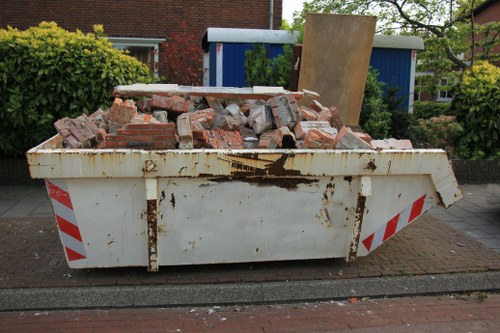
Commercial waste removal in Shadwell needs a tidy, dependable approach that keeps business premises clear without turning disposal into a disruption. We handle the collection and removal of mixed commercial waste for premises that need an organised way to deal with everyday rubbish, surplus items and recurring clear-outs. The emphasis is on practical waste handling, sensible segregation where possible, and a straightforward service that helps businesses keep their space workable.
Our service is suited to premises that produce regular non-hazardous commercial waste, including offices, shops, storage rooms, hospitality back-of-house areas and trade-related workplaces. If you need commercial waste removal arranged around your operating hours, we can help with one-off clearances and repeat collections where the waste stream is suitable. For a broader overview of the work we cover, see our business waste removal page, which sets out the sort of premises and materials commonly handled.
To request a quotation, it helps to note the type of waste, the rough volume and whether the items are loose, bagged or stacked. If access is awkward, mention that too, because loading arrangements can affect how the work is planned. You do not need to over-explain the job; a clear summary is usually enough to start the process. Simple details save time and help the right collection be arranged from the outset.
Business waste collections arranged around day-to-day operations
Commercial collections are often most useful when they fit neatly around staff movement, deliveries and public opening hours. That may mean removing rubbish from a side entrance, collecting from a service yard or clearing internal storage areas once waste has been gathered together. The service can include bags, boxes, mixed light waste and bulky items that are no longer needed on site, provided they fall within the scope of the collection booked.
Different workplaces create different waste patterns, so the right plan depends on the material and the frequency of disposal. Some sites need occasional support after an office move or stock change, while others benefit from regular removal of accumulated waste that should not be left in bins for long periods. If you want to compare service types, our waste removal page gives a wider view of the general collection work available across domestic and commercial settings.
When you ask for a quote, it is sensible to keep the request practical and specific. Mention any items that are awkward to move, the access route to the waste, and whether loading will need to be carried out from upstairs, a basement or an internal store. A short note is often enough. Clear information helps the collection be priced against the actual job rather than against assumptions.
Office waste removal for desks, documents and unwanted fittings

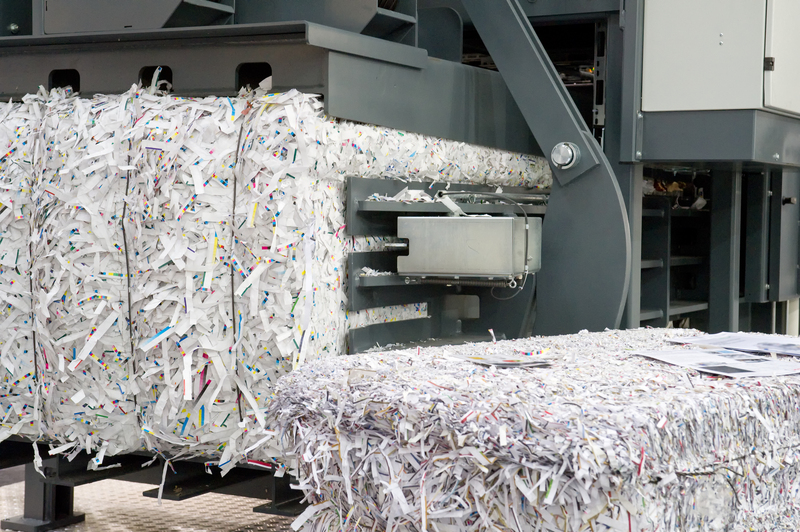
Office waste removal is useful when workspaces need to be cleared of accumulated clutter, outdated furniture or miscellaneous rubbish that has built up around everyday activity. It may include bagged office waste, archive material that is ready for disposal, broken fixtures, lightweight furniture and general non-confidential rubbish from meeting rooms, kitchens or storage cupboards. Where confidential paper is involved, disposal should be separated from general waste and handled through the appropriate route.
For sites that need a more focused disposal option, our office clearance page covers the kind of internal clearing work that can be arranged when rooms, workstations or storage areas need to be stripped back. Office waste removal is not the same as a full clearance, but the two services can complement each other when a workplace is reorganising, relocating or reducing surplus items. The key is to match the method to the type of material being removed.
Simple preparation makes a commercial collection smoother. Grouping similar waste together, leaving clear access to the items and identifying anything that must stay on site all help the team work efficiently. If a lift is involved, or if there are timed loading restrictions, include that in your enquiry. You can also keep your request brief and still useful: what needs removing, where it is, and when access is available.
Retail, hospitality and mixed-site clearances
Shops, cafés, takeaways and mixed commercial premises often produce waste that is less predictable than a single-purpose office. One week may bring cardboard, packaging and old display material; another may include broken shelving, surplus stock containers or worn fittings from a storage room. A flexible removal service is helpful where waste builds up in small bursts and needs to be taken away before it interferes with stock handling or customer-facing areas.
We can also support sites that require bulk item removal alongside lighter waste, especially when internal storage has been used to hold items awaiting disposal. For heavier household-style items used in commercial settings, our furniture disposal page describes the kind of sofa, table, chair and cabinet removal work that may be relevant where premises need to make room for replacement fittings. It is often better to separate bulky disposals from ordinary bagged waste so the job can be booked accurately.
When you are arranging this sort of collection, a brief list can be enough to secure a sensible quotation. Try to mention the item types, the number of floors involved and whether items are already gathered in one place. If you are replacing fixtures or clearing a back room, identify the pieces that need to go and the ones that must remain. Small details at the enquiry stage can prevent delays later.
Bulky waste, fit-out leftovers and clearance work
Bulky commercial waste often arises after a refit, storage reorganisation or stock change. This can include shelving, broken counters, display units, packaging from deliveries and general mixed items that no longer serve a purpose. The work is usually more efficient when the waste is gathered in one place before collection, but it can also be managed from several areas if access is straightforward and the material is clearly described in advance.
For premises dealing with larger volumes, our builders waste clearance page is useful where the unwanted material has come from decorating, refurbishment or similar work. Not every commercial clearance is builders’ waste, of course, but there are times when plasterboard offcuts, timber, packaging and site debris need to be removed together. Matching the material to the right collection type helps avoid confusion and keeps the quotation process accurate.
The type of container or storage used on site can also influence the collection plan. Items left in sacks, loose piles or stacked boxes may each need slightly different handling, particularly if the route out of the building is tight. Where the waste includes mixed materials, it can help to state whether the contents are mainly cardboard, light mixed rubbish, fittings or heavier items. That lets the collection be considered in a practical way, with no need for guesswork.
Sorting, recycling and responsible disposal

A sensible commercial waste service does more than simply move items from one place to another. It should also take account of what can be separated, what needs special handling and what should be sent through the correct disposal route. Mixed waste is often easier to manage when cardboard, reusable items and general rubbish are identified early, because that helps reduce avoidable mixing and keeps the work organised at collection time.
If sustainability matters to your business, it may help to look at our recycling and sustainability page for a clearer explanation of the wider disposal approach. Not every item can be recycled, and not every collection will produce the same breakdown, but sorting where feasible remains useful. It can make the collection neater, support responsible disposal and keep your premises from filling up with waste that should have been moved on earlier.
For a quotation, the most helpful waste description is usually honest and uncomplicated. Say what you have, how much there is and whether it is mainly recyclable, mixed or awkwardly packed. You do not need to guess at exact weights. A rough volume, the number of sacks or the size of the area to be cleared is often sufficient. If the waste is already separated, mention that too, because it can make the collection easier to plan.
About Shadwell
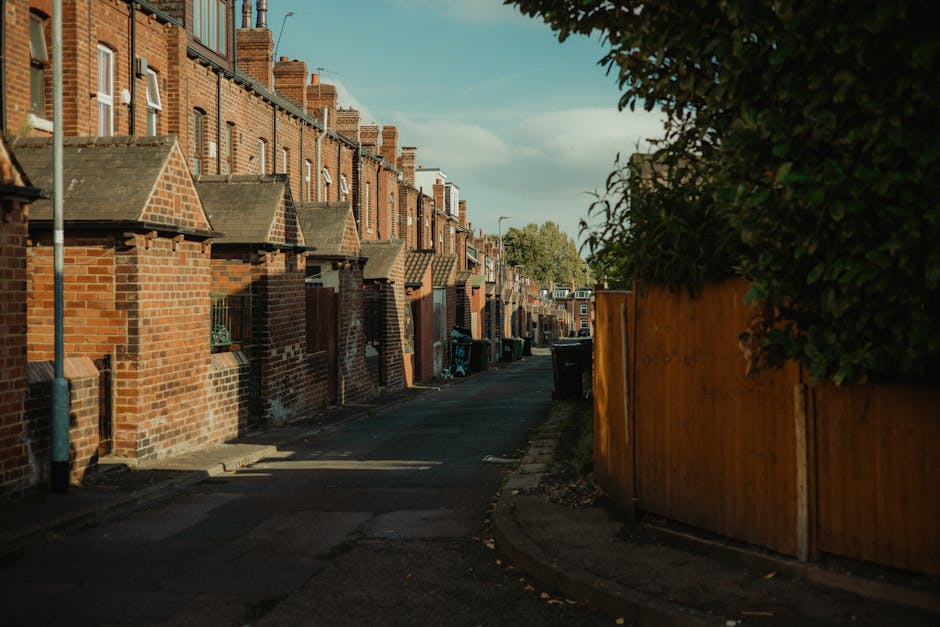
Shadwell is an inner East London district in the London Borough of Tower Hamlets, lying between Wapping and Whitechapel and shaped by its position near the River Thames. Historically, it developed as part of the maritime East End, with docks, warehouses and waterside trades influencing the area’s form for centuries. Shadwell Basin is one of its best-known features, a reminder of the dockland landscape that once dominated this part of London and was later transformed through regeneration. The district sits close to Limehouse and the Tower Hill corridor, so it has long been connected to movement along both the river and the road network. St George’s in the East, though just beyond the immediate focus of the district, reflects the wider historic parish landscape nearby and the architectural character of the East End. Shadwell itself includes a mix of older streets, social housing estates and newer residential development, giving it a varied built environment rather than a single uniform appearance. The area is also linked to the long-running story of migration, trade and urban change in east London, with its streets and open spaces carrying traces of different periods of growth. Today it remains closely associated with the neighbouring commercial and residential districts that surround the central City fringe.
Residential clear-outs alongside commercial premises
Some businesses also need waste removed from living accommodation, flats above shops or mixed-use premises where domestic and commercial items overlap. In those cases, it is useful to separate what belongs to the business from what belongs to the household side of the building. That can include old furniture, mixed rubbish from storage rooms or general items that have built up over time and now need to be taken away in an orderly way.
For property-based clearances, our flat clearance page is relevant where individual rooms or whole flats need to be emptied of unwanted contents. If you are dealing with a property above commercial premises, the main question is usually access: stairs, lift use, parking and the distance from the waste to the vehicle. Those practical details matter because they shape how the work is organised and what can be removed in one visit.
It is often wise to separate items by category before asking for a quotation, especially if there is a mix of household and business waste in the same building. Keep fragile or confidential material apart from general rubbish, and mention anything that needs special handling. A short, factual description is better than a long explanation. If the job involves more than one room, say so clearly and list the areas in simple terms.
Garage, storage and back-room waste from commercial sites
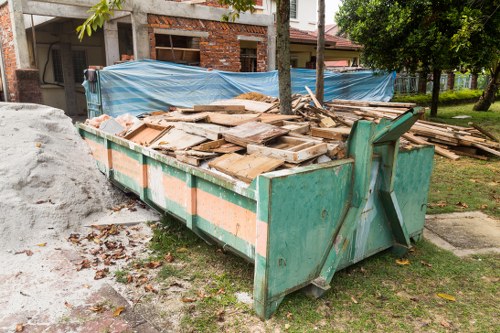
Storage rooms, garages and service cupboards can become the place where unwanted items are put aside until they are dealt with properly. Over time, those spaces may fill with broken equipment, old packaging, unused fittings and general waste that no longer has a practical role on site. Removing these items can restore usable space and reduce the chance of clutter spreading into working areas.
For these situations, our garage clearance page is a useful reference where enclosed storage spaces need emptying rather than simple bag collection. A garage-style clearance is often most relevant when items are stacked, difficult to reach or mixed together after a period of storage. The same thinking can apply to commercial back rooms, especially where the waste is bulky, awkward or held in layers rather than ready at the door.
When planning the job, it is useful to note whether the items are loose on the floor, shelved or boxed, because that affects how they can be moved out safely. If the space is cramped, mention that too. We can then take that into account when discussing the collection. For many customers, the main aim is to get the room back into use without having to manage every item individually.
House and home clearances linked to mixed-use properties
Some enquiries involve homes above shops, small premises used partly for work, or premises that have both domestic and commercial contents. In that setting, a house or home-style clearance may be the most appropriate route for unwanted furniture, bric-a-brac, general rubbish and items that no longer need to stay on the property. The important point is to match the clearance to the contents rather than to the label on the building.
Where a mixed property needs a broader removal, our house clearance page explains the sort of work involved in clearing living spaces and household contents. That can be useful if a business owner is also dealing with inherited rooms, rented accommodation or a space that contains both business stock and domestic effects. The correct scope is important, because household and commercial waste are not always treated in the same way.
A quotation request becomes easier when the contents are separated into broad groups: furniture, loose waste, appliances, paperwork and anything unusual. That does not mean you need to catalogue every item. A sensible summary is enough. If you want the removal assessed properly, the best approach is to describe the rooms and the main item types clearly, then mention anything that should stay where it is.
Getting a quotation for commercial waste removal
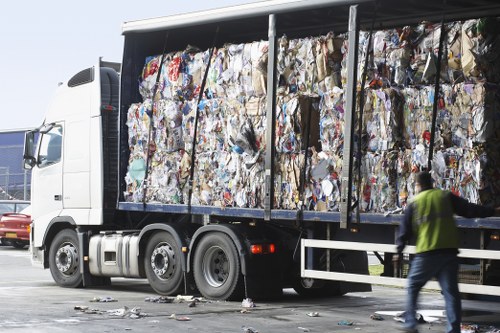
Our quotations are based on the details you provide about the waste, access and collection setting. In practice, the useful information is straightforward: what needs removing, how much there is, where it is located and whether it can be reached easily. If the material includes mixed waste, bulky items or contents spread across different rooms, mention that in the first message so the estimate reflects the actual job.
You can also point out any constraints that matter to the collection, such as loading restrictions, upper-floor access, shared entrances or the need to work within a limited time window. For some customers, a single collection is enough; for others, repeat visits are more suitable if waste builds up gradually. If you need to compare service options, our pricing and quotes page is the right place to look at how enquiries are handled and what information is usually needed.
When you are ready, send a brief description of the waste and ask for a quotation. A plain, factual request is fine: what it is, roughly how much there is and when it needs to go. If you want to keep things moving, include access notes and any separating details in the same message. Then we can help arrange a commercial waste removal plan that suits the premises and the work involved.